
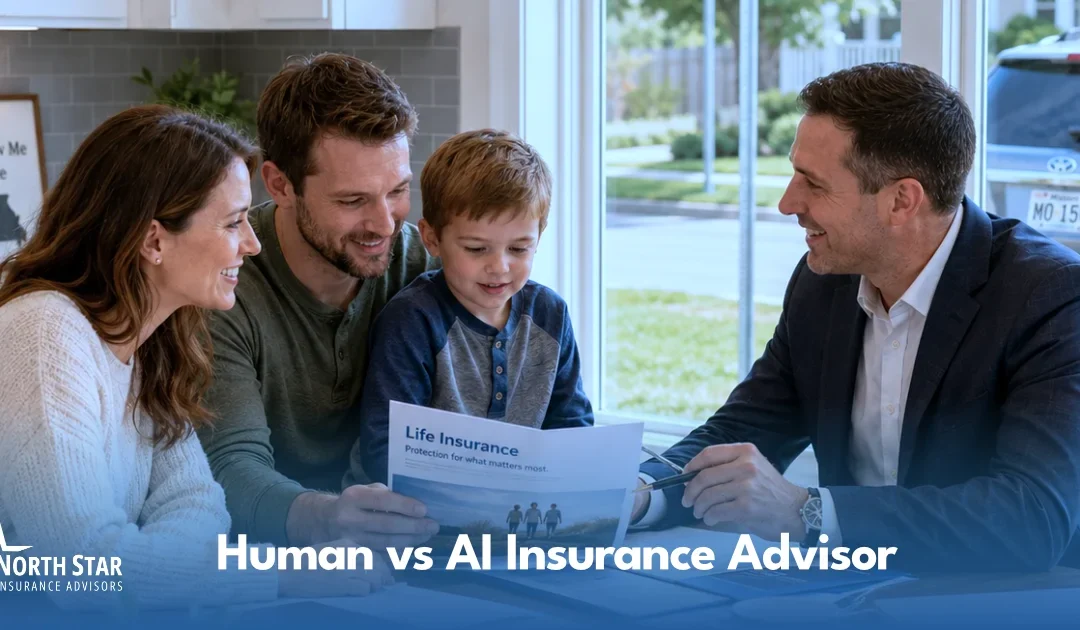
As artificial intelligence continues transforming the insurance industry, many professionals are asking whether technology will eventually replace traditional advisors. In our comprehensive guide on Will AI Replace Life Insurance Agents? Why Remote Insurance Careers Are Booming in 2026, we explore how technology is reshaping the profession while creating new opportunities for agents who embrace innovation.
Artificial intelligence has transformed nearly every industry. From customer service chatbots to automated underwriting systems, technology is helping businesses work faster and more efficiently than ever before.
The insurance industry is no exception.
Today, AI can compare policies, analyse risk factors, generate quotes, automate paperwork, and answer common customer questions within seconds. These advancements have led many consumers and industry professionals to ask the same question:
Will AI eventually replace human life insurance agents?
While technology continues to improve, the reality in 2026 looks very different from what many experts predicted. Instead of replacing agents, AI has become a tool that supports them.
Consumers continue to seek guidance from experienced professionals when making important financial decisions. Buying life insurance is not the same as purchasing a pair of shoes online or ordering food through an app. It involves protecting loved ones, planning for future financial obligations, and preparing for life’s uncertainties.
This is why human life insurance agents remain more valuable than ever.
The Stakes Are Too High for Automated Decisions
Life insurance is one of the most important financial products a person will ever purchase.
A policy may affect:
- Family financial security
- Mortgage protection
- Children’s education funding
- Funeral expenses
- Estate planning
- Retirement goals
- Business succession plans
When consumers make decisions involving their family’s future, they often want reassurance from another human being.
AI can process data, but it cannot fully understand the emotional weight behind questions such as:
- What happens if I die unexpectedly?
- Will my spouse be financially secure?
- How much coverage does my family really need?
- Can I afford the right policy?
These concerns require meaningful conversations rather than automated responses.
Many policyholders want someone they can call, ask questions to, and trust throughout the process.
Trust Remains the Foundation of Insurance Sales
Insurance has always been built on trust.
People buy life insurance because they trust that someone is helping them protect their future.
While AI can provide information, it cannot establish genuine relationships.
Consumers often prefer working with agents because they value:
- Personal accountability
- Ongoing support
- Honest recommendations
- Human interaction
- Long-term relationships
A customer may forget the exact policy details discussed during an initial meeting, but they often remember how an agent treated them.
Trust influences buying decisions far more than technology alone.
This is one reason why discussions around will AI replace life insurance agents continue to show that technology complements agents rather than replaces them.
Human Agents Understand Unique Family Situations
No two families are identical.
A single parent may have very different insurance needs compared to:
- Newly married couples
- Retirees
- Small business owners
- Military families
- Families caring for elderly parents
- Households with special-needs dependents
AI systems typically rely on patterns and historical data.
Human agents can evaluate circumstances that may not fit standard models.
For example, an experienced advisor may identify concerns involving:
- Future caregiving costs
- Changing income situations
- Family health history
- Long-term financial goals
- Blended family dynamics
These conversations require context, empathy, and judgement. A software platform can generate recommendations based on data inputs. A professional agent can uncover concerns that clients haven’t even considered.
Insurance Decisions Are Often Emotional
Many consumers delay purchasing life insurance because discussing mortality is uncomfortable.
Conversations about death, illness, financial hardship, and family protection can be highly emotional.
AI may provide accurate information, but it cannot respond to emotions the way a person can.
When clients express concerns such as:
- Fear about leaving their family unprotected
- Anxiety about affordability
- Uncertainty about coverage options
Human agents can provide reassurance and guidance.
Empathy remains one of the strongest competitive advantages that life insurance professionals possess.
Technology can answer questions. People help people make decisions.
Human Agents Provide Personalised Recommendations
One of the biggest misconceptions about insurance is that consumers simply need the cheapest policy available.
Price matters, but it is rarely the only factor.
A skilled life insurance agent helps clients understand:
- Coverage amounts
- Policy types
- Riders
- Beneficiary options
- Long-term affordability
- Future life changes
AI can compare policies quickly.
Human professionals can explain why a specific option may be more appropriate for a family’s unique situation.
The ability to personalise recommendations remains a major reason why clients continue choosing human advisors.
Complex Cases Require Human Expertise
Many insurance situations involve complexities that automated systems struggle to address effectively.
Examples include:
- Business owners
- High-net-worth individuals
- People with health concerns
- Estate planning needs
- Multi-generational financial planning
- Special beneficiary arrangements
In these situations, human judgement becomes extremely valuable.
Experienced agents can collaborate with underwriters, financial professionals, and clients to develop customised solutions.
Technology assists the process.
People complete it.
Consumers Want Ongoing Relationships
Purchasing life insurance is rarely a one-time transaction.
Life changes constantly.
People get married.
They have children.
They buy homes.
They change careers.
They start businesses.
As circumstances evolve, insurance needs often change as well.
Many consumers appreciate having a trusted advisor who understands their history and can provide ongoing guidance.
A chatbot may answer a question today.
A dedicated life insurance agent may help a family for decades.
That difference matters.
AI Is Creating More Opportunities for Agents
Ironically, one of the biggest impacts of AI has been increased productivity for insurance professionals.
Many repetitive tasks are now automated, including:
- Data entry
- Appointment scheduling
- Initial lead qualification
- Policy comparisons
- Follow-up reminders
This allows agents to spend more time doing what they do best:
- Building relationships
- Advising clients
- Closing sales
- Providing support
As technology handles administrative work, agents can focus on higher-value activities.
The result is often a better experience for both clients and professionals.
The Growing Demand for Life Insurance Professionals
Despite rapid technological advancements, demand for life insurance professionals continues to remain strong.
Consumers still value:
- Personal guidance
- Financial education
- Expert recommendations
- Human accountability
This trend has created growing opportunities for individuals interested in insurance careers.
Many professionals are entering the industry because of:
- Flexible schedules
- Remote work opportunities
- Unlimited earning potential
- Career growth
- Commission income
- Entrepreneurial freedom
For those exploring career options, the future remains bright for motivated agents who embrace technology while maintaining strong people skills.
Why Remote Insurance Careers Continue Growing
The rise of digital tools has changed how agents work.
Today, professionals can meet clients through:
- Video calls
- Phone consultations
- Online presentations
- Digital applications
This flexibility has fuelled demand for remote insurance positions across the country.
Many agents now build successful careers while working from home.
Technology has removed geographical barriers while preserving the human relationships that drive insurance sales.
This combination of technology and personal interaction is shaping the future of the industry.
The Future Is Human Plus Technology
The future of insurance is not AI versus humans.
It is AI and humans working together.
The most successful agents in 2026 leverage technology to:
- Improve efficiency
- Reduce administrative work
- Serve clients faster
- Generate insights
At the same time, they continue providing the qualities that technology cannot replicate:
- Trust
- Empathy
- Relationship building
- Emotional intelligence
- Personal accountability
These human skills remain essential in life insurance.
As a result, consumers continue choosing experienced advisors when making important financial decisions.
AI is changing the industry. Human connection is still driving it.
Final Thoughts
The question is no longer whether AI will impact the insurance industry.
It already has.
The more important question is whether technology can replace the trust, empathy, and personal guidance that consumers expect when protecting their families.
In 2026, the answer remains clear.
People still prefer human life insurance agents because life insurance is ultimately about people, relationships, and protecting what matters most.
Technology can support the process. Human advisors continue to make the difference.
Frequently Asked Questions
People continue using life insurance agents because they provide personalised guidance, trust, emotional support, and tailored recommendations that technology cannot fully replicate.
AI can automate many administrative tasks, but it cannot replace human relationship-building, empathy, and judgement.
Human agents offer emotional intelligence, personalised advice, accountability, and long-term client relationships.
Yes. The industry continues to grow due to strong demand for financial protection and personalised guidance.
Clients often prefer speaking with someone who understands their concerns and can provide customised recommendations.
AI improves productivity through automation, lead qualification, scheduling, underwriting support, and policy comparisons.
Yes. Remote insurance careers continue to expand because technology allows agents to serve clients virtually.
Communication, empathy, relationship-building, sales ability, and financial education remain critical.
Highly unlikely. Major purchasing decisions involving family protection typically require human guidance.
The future combines advanced technology with human expertise, creating a more efficient and personalised customer experience.
Interested in a Career Where Human Connection Still Matters?
Technology may be changing the insurance industry, but trusted advisors remain at the centre of every successful client relationship.
If you’re looking for a rewarding career with flexible schedules, remote opportunities, uncapped earning potential, and meaningful work helping families protect their future, now is a great time to explore life insurance sales.
Learn how to build a successful insurance career while leveraging the latest technology to better serve clients.
Related Articles to Read
What Do Life Insurance Agents Do?
Learn about the responsibilities, daily activities, and value that life insurance professionals provide to clients and families.
Life Insurance Agent Responsibilities
Explore the key skills and responsibilities that help successful agents build trust and long-term client relationships.
Thinking about becoming an insurance professional? This guide covers career paths, opportunities, and growth potential within the industry.