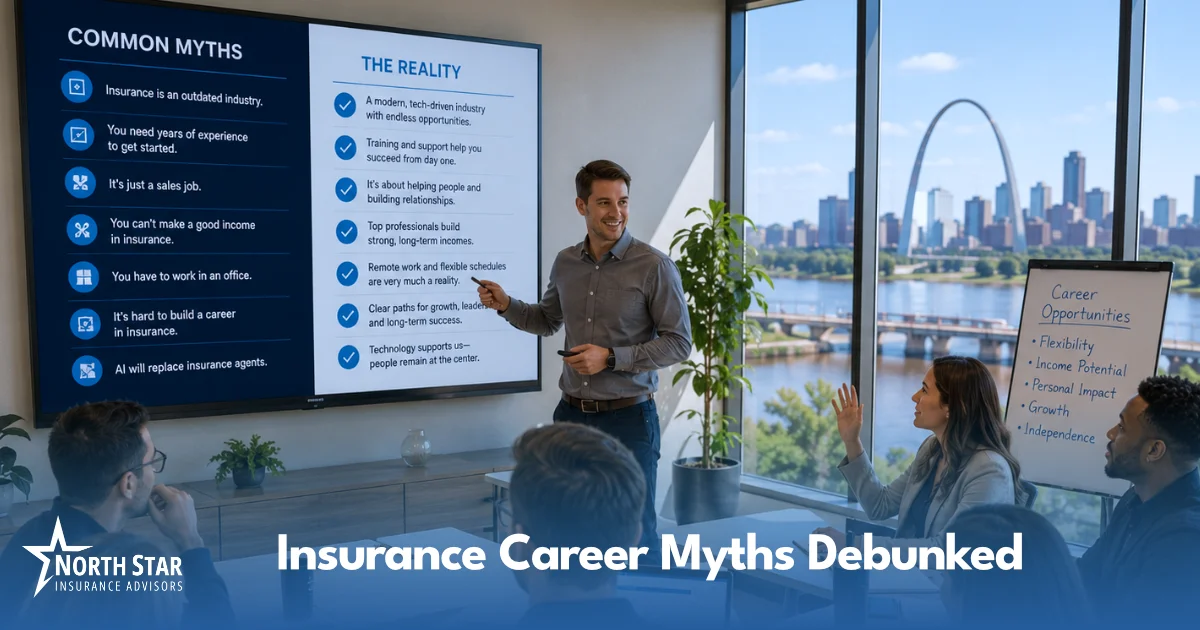
Many people assume technology will eliminate insurance careers, but the reality is quite different. In our pillar article, Will AI Replace Life Insurance Agents? Why Remote Insurance Careers Are Booming in 2026, we explore how technology is creating new opportunities for insurance professionals rather than replacing them.
The insurance industry has changed dramatically over the past decade, yet many misconceptions still influence how people view insurance careers. Some believe the industry is outdated, while others assume success requires years of experience or a background in finance.
The reality is very different. Modern insurance careers offer flexibility, technology-driven workflows, remote opportunities, and strong income potential. As the industry evolves, many long-standing myths no longer reflect how insurance professionals actually work.
If you’ve ever considered an insurance career but hesitated because of something you’ve heard, it’s worth taking a closer look at the facts.
Myth #1: Insurance Is an Outdated Industry
One of the most common misconceptions is that insurance is old-fashioned and slow to change.
In reality, insurance has become increasingly technology-driven. Today’s professionals use video conferencing, electronic signatures, customer relationship management platforms, automation tools, and digital applications to serve clients efficiently.
Modern insurance careers often look far more like technology-enabled consulting than the traditional image many people imagine.
Myth #2: You Need Years of Experience to Get Started
Many people assume insurance companies only hire experienced professionals.
The truth is that many successful agents begin with little or no insurance background. Training programmes, licensing support, mentorship, and ongoing coaching help new professionals develop the knowledge and skills needed to succeed.
Companies often place greater value on communication skills, coachability, and motivation than previous insurance experience.
Myth #3: Insurance Is Just About Selling
While sales can be an important part of many insurance roles, successful professionals do far more than sell policies.
Insurance agents frequently:
- Educate clients
- Explain coverage options
- Help families plan for the future
- Answer questions
- Build long-term relationships
- Provide ongoing support
The profession is often more about solving problems and building trust than making sales presentations.
Myth #4: Insurance Careers Offer Limited Income Potential
Some people mistakenly believe insurance provides average earning opportunities with little room for growth.
Many insurance positions offer performance-based compensation structures that reward productivity, skill development, and client service. Depending on the role, professionals may benefit from:
- Commission opportunities
- Bonuses
- Leadership positions
- Team-building opportunities
- Long-term residual income
For motivated individuals, income potential can exceed that of many traditional professions.
Myth #5: You Must Be an Extrovert to Succeed
Insurance careers are often associated with highly outgoing personalities.
While communication skills are important, success is not limited to extroverts. Many effective insurance professionals are excellent listeners who focus on understanding client needs rather than dominating conversations.
Empathy, patience, and active listening often contribute more to long-term success than being the loudest person in the room.
Myth #6: Remote Insurance Careers Are Not Real Jobs
As remote work has grown, some people remain sceptical about work-from-home opportunities.
The insurance industry has become one of the strongest sectors for legitimate remote careers. Many agents now conduct consultations, submit applications, attend training, and manage client relationships entirely online.
Technology has made remote insurance work both practical and highly effective.
Myth #7: Artificial Intelligence Will Replace Insurance Agents
Technology is transforming the industry, but it is not eliminating the need for professionals.
AI can help automate routine tasks, organise information, and improve efficiency. However, clients still value guidance, trust, empathy, and personalised recommendations.
Insurance remains a relationship-driven industry where human connection continues to play a critical role.
Myth #8: Insurance Careers Lack Flexibility
Many people still imagine insurance professionals spending every day in a traditional office environment.
Today, many positions offer flexibility through:
- Remote work
- Hybrid schedules
- Flexible appointment structures
- Digital communication tools
- Virtual collaboration
This flexibility continues to attract professionals seeking better work-life balance.
Myth #9: You Need a Finance Degree
While financial knowledge can be helpful, many successful insurance professionals come from completely different backgrounds.
Common previous careers include:
- Teaching
- Retail
- Healthcare
- Hospitality
- Customer service
- Military service
The industry welcomes people with diverse experiences and skill sets.
Myth #10: Insurance Careers Have No Future
Some people worry that automation and changing technology will reduce opportunities within the industry.
In reality, demand for financial protection remains strong. Families continue to seek guidance on life insurance, retirement planning, final expense coverage, and other financial protection products.
Technology is changing how professionals work, but it is also creating new opportunities for those who embrace innovation.
Why These Myths Persist
Many insurance career myths originated years ago when the industry operated very differently. Unfortunately, outdated assumptions often continue long after the profession has evolved.
Today’s insurance professionals work in an environment shaped by:
- Digital technology
- Remote communication
- Online training
- Data-driven tools
- Modern customer expectations
Understanding how the industry has changed can help people make more informed career decisions.
Why More Professionals Are Exploring Insurance
As remote work becomes increasingly common, many professionals are looking for careers that provide flexibility, growth opportunities, and meaningful work.
Insurance offers a combination of:
- Career stability
- Income potential
- Professional development
- Remote opportunities
- Personal impact
These advantages continue attracting individuals from a wide range of professional backgrounds.
Final Thoughts
Many of the beliefs people hold about insurance careers simply no longer reflect reality. The industry has evolved into a modern, technology-driven profession that offers flexibility, growth, and meaningful opportunities.
For those willing to look beyond outdated stereotypes, insurance can provide a rewarding career path with long-term potential. The best way to evaluate the profession is not through myths, but through facts and first-hand experience.
Related Articles to Read
Insurance Agent Careers Guide
Learn how licensing, training, and career progression work in today’s insurance industry.
Life Insurance Jobs Remote
Explore how remote insurance opportunities are changing the way professionals build careers.
How Much Does an Insurance Agent Make?
Discover earning potential, compensation structures, and income opportunities within the insurance industry.
Frequently Asked Questions
Yes. Insurance continues to offer flexibility, growth opportunities, and strong demand.
Many organizations provide training and support for individuals with little or no prior experience.
Yes. Remote insurance careers have become increasingly common.
No. Successful professionals often focus on education, relationship-building, and client support.
Absolutely. Active listening and empathy are often valuable strengths.
AI improves efficiency but does not replace the human relationships that drive successful insurance careers.
Requirements vary, but many positions focus on licensing and skills rather than specific degrees.
Insurance remains closely connected to ongoing consumer demand for financial protection.
Yes. Many established organizations offer fully remote opportunities.
Communication, adaptability, organization, empathy, and relationship-building.
Don’t Let Myths Hold You Back
Many successful insurance professionals almost never entered the industry because of outdated assumptions.
If you’re looking for flexibility, growth opportunities, meaningful work, and long-term career potential, insurance may be worth a closer look.
Explore opportunities with North Star Insurance Advisors