
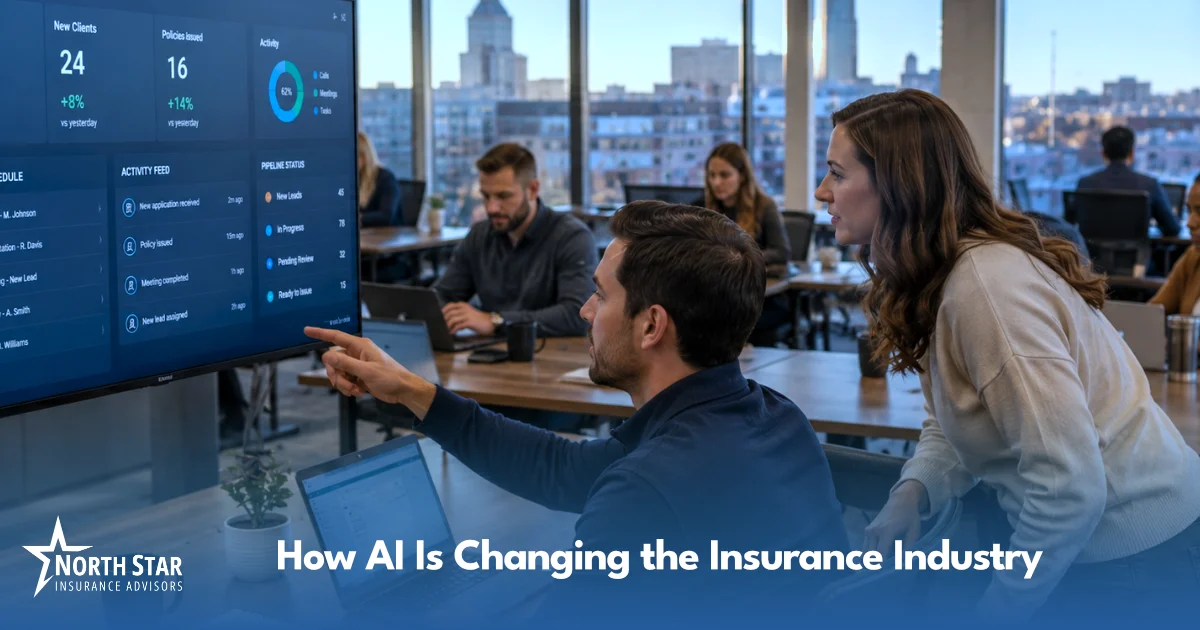
Artificial intelligence is changing the insurance industry, but technology is not replacing the human relationships that drive successful insurance careers. In our pillar article, Will AI Replace Life Insurance Agents? Why Remote Insurance Careers Are Booming in 2026, we explore why modern insurance professionals continue to play a critical role in helping clients make important financial decisions.
Artificial intelligence is rapidly transforming industries around the world, and insurance is no exception. From underwriting and claims processing to customer service and sales support, AI technologies are helping insurance companies operate more efficiently than ever before.
However, one of the biggest misconceptions surrounding AI is the belief that technology will completely replace insurance professionals. In reality, AI is changing how insurance companies operate while simultaneously increasing the importance of human expertise.
The insurance industry is entering a new era where technology and people work together.
AI Is Becoming Part of Everyday Insurance Operations
Artificial intelligence is no longer an experimental technology within insurance.
Today, insurers use AI to:
- Process large amounts of data.
- Identify patterns and risks.
- Improve operational efficiency.
- Support customer service.
- Assist agents with administrative work.
According to Stanford University’s AI Index Report 2025, AI adoption continues to grow across industries as businesses seek ways to improve productivity and decision-making.
Insurance companies increasingly view AI as a tool that enhances operations rather than replaces employees.
Faster Underwriting Decisions
Underwriting has traditionally required significant manual review and analysis.
AI systems can now:
- Analyse risk factors.
- Review application data.
- Identify potential issues.
- Support underwriting decisions.
- Reduce processing times.
This allows underwriters to spend more time evaluating complex cases while routine assessments become more efficient.
Human oversight remains essential, especially when unique circumstances require professional judgement.
Claims Processing Is Becoming More Efficient
Claims management is another area experiencing significant change.
AI tools can help insurers:
- Review documents.
- Detect inconsistencies.
- Process claims faster.
- Identify fraud indicators.
- Improve customer communication.
By automating repetitive tasks, insurance companies can often reduce processing times and improve customer experiences.
Complex claims, however, still require human investigation and decision-making.
Customer Service Is Evolving
Many insurance companies now use chatbots, virtual assistants, and automated support systems to answer basic questions.
Customers can:
- Check policy information.
- Request documents.
- Update information.
- Receive general assistance.
These technologies improve accessibility and response times.
However, many customers still prefer speaking with a real person when discussing important financial decisions, policy changes, or family protection needs.
AI Helps Insurance Agents Become More Productive
Modern insurance professionals increasingly use technology to support their daily work.
AI tools may help agents:
- Organize schedules.
- Prioritize leads.
- Generate follow-up reminders.
- Summarize client information.
- Draft communications.
- Automate routine tasks.
Microsoft’s 2025 Work Trend Index Annual Report highlights how AI is helping professionals focus more time on meaningful work while reducing administrative burdens.
For insurance agents, this often means spending more time building relationships and helping clients.
Lead Generation and Marketing Are Changing
AI-powered systems can analyze customer behaviour, identify potential opportunities, and improve marketing campaigns.
Insurance agencies increasingly use technology to:
- Identify prospective clients.
- Improve advertising performance.
- Personalize communication.
- Analyse customer engagement.
- Support sales teams.
This allows agents to focus on conversations and client relationships rather than manual prospecting.
Professionals interested in improving productivity may also explore resources such as How to Increase Insurance Agent Productivity and Leads for Insurance Agents.
Remote Insurance Work Continues to Grow
Digital applications, electronic signatures, video meetings, and AI-powered tools have made remote insurance careers increasingly accessible.
Modern agents can:
- Meet clients virtually.
- Complete applications online.
- Conduct consultations remotely.
- Manage client relationships digitally.
This has contributed to growing interest in Life Insurance Jobs Remote and Remote Life Insurance Agent Jobs.
Technology has expanded opportunities rather than reduced them.
AI Cannot Replace Human Trust
Despite rapid advances, AI still faces limitations.
Insurance decisions often involve:
- Family protection.
- Financial concerns.
- Retirement planning.
- Emotional conversations.
- Long-term goals.
Clients frequently want reassurance, guidance, and personalized advice from someone they trust.
While AI can provide information, trust remains deeply human.
This is one reason relationship-based insurance careers continue to thrive.
The Future of Insurance Is Human Plus Technology
The insurance industry is unlikely to become fully automated.
Instead, technology and professionals will increasingly work together.
AI handles:
- Data analysis.
- Administrative tasks.
- Automation.
- Efficiency improvements.
People provide:
- Trust.
- Communication.
- Advice.
- Empathy.
- Relationship-building.
This combination creates better experiences for both clients and insurance professionals.
Final Thoughts
Artificial intelligence is undoubtedly changing the insurance industry, but its greatest impact may be improving how professionals work rather than replacing them.
The World Economic Forum’s Future of Jobs Report 2025 identifies communication, leadership, adaptability, and relationship-building among the fastest-growing workplace skills.
Insurance professionals who embrace technology while strengthening these human skills may be particularly well-positioned for future success.
The future of insurance is not AI versus agents. It is AI working alongside agents to deliver better experiences, stronger relationships, and improved outcomes for clients.
Related Articles to Read
Will AI Replace Life Insurance Agents?
Explore why human relationships remain essential in modern insurance careers despite advances in artificial intelligence.
How to Increase Insurance Agent Productivity
Learn practical ways insurance professionals use technology and automation to work more efficiently.
Leads for Insurance Agents
Discover how modern lead generation strategies and digital tools help insurance professionals grow their business.
Frequently Asked Questions
AI is helping insurance companies improve underwriting, claims processing, customer service, fraud detection, and administrative efficiency.
AI can automate repetitive tasks, but clients still value trust, communication, and personalised advice from insurance professionals.
Insurance companies use AI for risk analysis, claims processing, customer service, marketing, fraud detection, and operational efficiency.
Yes. AI tools can assist with scheduling, lead management, follow-up reminders, document processing, and administrative tasks.
Most experts believe AI will change how insurance professionals work rather than eliminate the need for agents and advisors.
Agents, underwriters, claims specialists, customer service teams, and sales professionals can all benefit from AI-assisted tools.
Insurance decisions often involve family protection, finances, and long-term planning, which require trust and personal guidance.
AI can answer basic questions, provide policy information, and improve response times, allowing agents to focus on more complex client needs.
Yes. Digital applications, virtual meetings, and AI-powered tools have expanded remote insurance opportunities.
AI will likely continue improving efficiency and productivity while insurance professionals focus on relationships, advice, and client support.
Technology Is Changing Insurance — But People Still Matter
Artificial intelligence is helping insurance professionals work smarter, automate repetitive tasks, and serve clients more efficiently.
At the same time, trust, communication, and relationship-building remain at the centre of successful insurance careers.
If you’re interested in a future-focused profession that combines technology with meaningful client interactions, insurance continues to offer strong opportunities.
Explore career opportunities with North Star Insurance Advisors.