Artificial intelligence is reshaping the insurance industry, but human relationships continue to drive successful insurance careers. In our pillar article, Will AI Replace Life Insurance Agents? Why Remote Insurance Careers Are Booming in 2026, we explore why trust, communication, and personal guidance remain essential in modern insurance sales.
Artificial intelligence is rapidly changing the workplace, leading many professionals to ask an important question: will AI help or hurt insurance careers?
As insurance companies adopt automation, digital platforms, and AI-powered tools, some people worry that insurance jobs may eventually disappear. Others believe technology will create entirely new opportunities.
The truth lies somewhere in the middle.
AI is changing the insurance industry, but it is not affecting every role in the same way. Some repetitive tasks are becoming automated, while many human skills are becoming even more valuable.
For insurance professionals, understanding how AI influences the industry is becoming increasingly important.
AI Is Eliminating Repetitive Work
Many insurance processes involve administrative tasks that can be automated.
AI can assist with:
- Data entry.
- Appointment scheduling.
- Document processing.
- Lead scoring.
- Meeting summaries.
- Customer service requests.
These tools reduce manual work and improve efficiency.
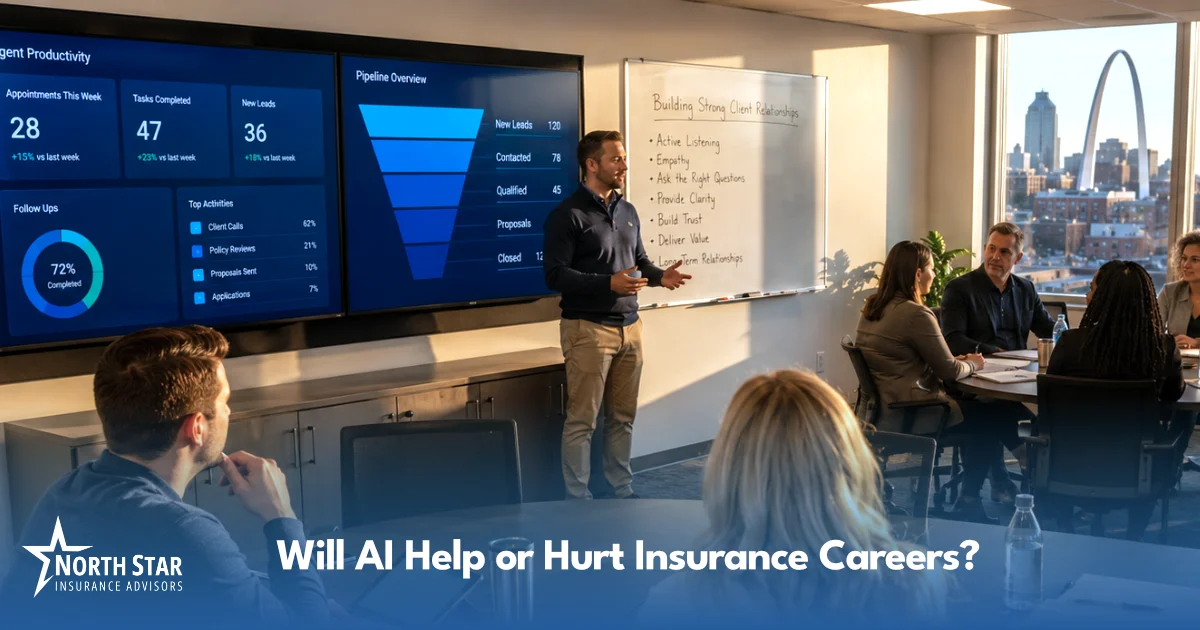
Rather than spending hours on paperwork, many agents can now focus more time on serving clients.
AI Is Helping Agents Become More Productive
Modern insurance professionals increasingly use technology to organize their work.
According to Microsoft’s 2025 Work Trend Index Annual Report, AI is helping employees reduce repetitive tasks and spend more time on higher-value activities.
For insurance agents, this may include:
- Building relationships.
- Conducting consultations.
- Educating clients.
- Following up with prospects.
- Solving complex problems.
Technology is often becoming a productivity partner.
Some Roles Will Change
Certain administrative responsibilities may continue evolving as AI capabilities improve.
Tasks involving:
- Basic data processing.
- Standardized documentation.
- Routine information requests.
- Scheduling activities.
may become increasingly automated.
However, this does not necessarily mean fewer career opportunities.
Instead, job responsibilities may shift toward higher-value activities that require human interaction.
Clients Still Want Human Advice
Insurance decisions often involve emotions, family concerns, financial planning, and future goals.
Clients frequently want guidance from someone who can:
- Explain coverage options.
- Understand personal circumstances.
- Answer questions.
- Build trust.
- Provide reassurance.
These conversations remain difficult to automate.
People often seek confidence when making important financial decisions, and that confidence usually comes from trusted advisors.
Remote Insurance Careers Continue to Grow
Technology has also expanded opportunities within the industry.
Digital applications, video consultations, electronic signatures, and online communication tools have made remote insurance careers increasingly accessible.
Many professionals now build successful careers through:
- Virtual appointments.
- Online presentations.
- Remote client support.
- Digital sales processes.
This has contributed to growing interest in Life Insurance Jobs Remote and Remote Life Insurance Agent Jobs.
Human Skills Are Becoming More Valuable
As technology handles routine tasks, employers increasingly value skills that AI struggles to replicate.
These include:
- Communication.
- Emotional intelligence.
- Leadership.
- Adaptability.
- Relationship-building.
- Problem-solving.
Insurance professionals rely heavily on these abilities.
Successful agents often combine technology with strong interpersonal skills.
The Future Insurance Agent Will Use AI
Tomorrow’s insurance professionals will likely work differently than previous generations.
Agents may use AI tools to:
- Manage schedules.
- Prioritize leads.
- Summarise meetings.
- Draft communications.
- Analyse customer interactions.
At the same time, they will continue building relationships and helping clients make informed decisions.
Technology becomes part of the profession rather than a replacement for it.
Why Insurance Remains a Strong Career
Insurance continues to offer:
- Flexible work opportunities.
- Remote careers.
- Income potential.
- Personal development.
- Relationship-driven work.
- Long-term demand.
The World Economic Forum’s Future of Jobs Report 2025 identifies communication, leadership, and social influence among the fastest-growing workplace skills.
These strengths align closely with successful insurance careers.
Final Thoughts
Artificial intelligence will undoubtedly continue changing the insurance industry.
Some tasks may become automated, while others become more efficient. However, the core responsibilities of insurance professionals—building trust, educating clients, and helping people make important financial decisions—remain highly human.
For many professionals, AI may ultimately help insurance careers more than it hurts them.
Those who embrace technology while strengthening communication and relationship skills may find themselves especially well-positioned for the future.
Related Articles to Read
Will AI Replace Life Insurance Agents?
Discover why insurance remains a relationship-driven profession despite advances in artificial intelligence.
How to Increase Insurance Agent Productivity
Learn how modern insurance professionals use technology and automation to improve efficiency.
Best Paying Jobs in Life Insurance
Explore the earning potential and career opportunities available within the insurance industry.
Frequently Asked Questions
AI is expected to automate certain tasks, but most experts believe insurance professionals will continue playing an important role in client relationships and financial guidance.
Yes. Many agents use AI tools to improve productivity, organise tasks, automate follow-ups, and manage client information.
Administrative and repetitive tasks are becoming increasingly automated, while relationship-based roles remain highly valuable.
Absolutely. Many modern agents already use AI-powered tools to support their daily work.
Yes. Technology has expanded virtual consultations, digital applications, and remote client support.
Communication, trust, empathy, and relationship-building remain essential skills in insurance.
AI may change job responsibilities, but it can also create new opportunities by increasing productivity and efficiency.
Insurance decisions often involve emotions, family needs, and financial concerns that require personal guidance.
Yes. Understanding productivity tools can help professionals become more efficient and competitive.
Insurance continues to offer income potential, flexibility, career growth, and opportunities for professionals who embrace technology.
The Future of Insurance Is Human Plus Technology
Artificial intelligence is changing how insurance professionals work, but trust, communication, and personal relationships continue to drive successful careers.
Today’s agents use technology to work more efficiently while focusing on what matters most—helping clients protect their families and plan for the future.
If you’re interested in a modern career that combines technology with meaningful human interactions, explore opportunities with North Star Insurance Advisors.