
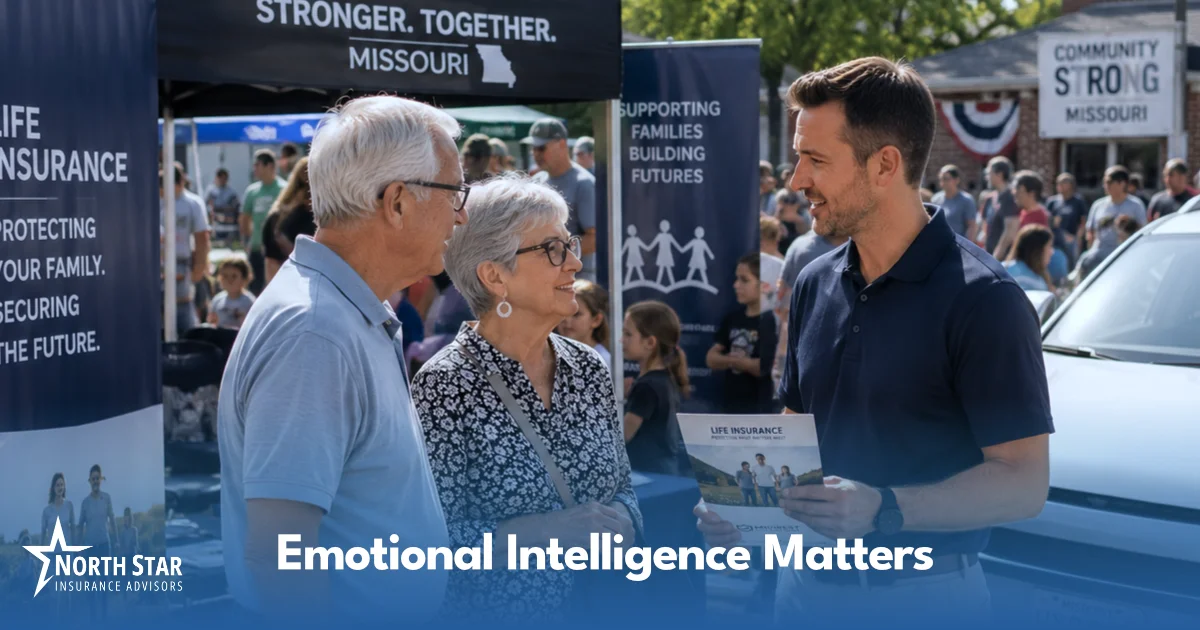
Artificial intelligence is helping insurance professionals become more efficient, but efficiency alone does not close sales or build lasting client relationships. In our pillar article, Will AI Replace Life Insurance Agents? Why Remote Insurance Careers Are Booming in 2026, we explore why the most successful insurance professionals combine technology with human skills such as trust, communication, and emotional intelligence.
The insurance industry has embraced technology faster than ever before. Artificial intelligence can compare policies, automate follow-ups, analyze customer data, and even assist with underwriting decisions. These tools have improved efficiency and allowed insurance professionals to serve more clients in less time.
Despite these advances, one factor continues to separate top-performing agents from everyone else: emotional intelligence. While technology can process information quickly, it cannot fully understand the emotions, concerns, and motivations that often drive purchasing decisions.
This is particularly true in life insurance sales, where conversations frequently involve family protection, financial security, and future planning. These topics are deeply personal, making emotional intelligence one of the most valuable skills an insurance professional can possess.
What Is Emotional Intelligence?
Emotional intelligence refers to the ability to recognize, understand, and manage emotions—both your own and those of others. It influences how people communicate, build relationships, and respond to challenging situations.
In insurance sales, emotional intelligence helps agents connect with clients on a deeper level. Rather than focusing solely on products and pricing, emotionally intelligent professionals seek to understand the concerns and goals behind every conversation.
Strong emotional intelligence typically includes:
- Self-awareness
- Empathy
- Active listening
- Relationship building
- Adaptability
- Effective communication
These skills often determine whether a prospect becomes a long-term client.
Insurance Sales Is a People Business
Many industries have become increasingly automated, but insurance remains fundamentally relationship-driven. Consumers are not simply purchasing coverage; they are making decisions that could affect their family’s financial future.
When discussing life insurance, clients often have concerns that extend beyond premiums and policy features. They may worry about leaving loved ones with financial burdens, protecting their children’s future, or ensuring a spouse can maintain their lifestyle after an unexpected loss.
These concerns are emotional as much as they are financial. Understanding them requires more than product knowledge.
Why Empathy Builds Trust
Empathy is one of the most important components of emotional intelligence. It allows insurance professionals to understand a client’s perspective and respond appropriately.
Clients are more likely to trust an advisor who genuinely listens to their concerns. When people feel understood, they become more comfortable discussing sensitive topics and asking important questions.
Empathy can help agents:
- Build stronger relationships
- Improve communication
- Increase client confidence
- Reduce objections
- Create long-term loyalty
In many cases, trust begins with feeling heard.
Emotional Intelligence Helps Uncover Real Needs
Prospects do not always communicate their true concerns immediately. A client may initially focus on price when their primary worry is actually protecting their family’s future.
Emotionally intelligent agents know how to ask thoughtful questions and listen carefully to the answers. This allows them to uncover needs that may not be obvious during a standard sales conversation.
By understanding the motivation behind a purchase, agents can provide recommendations that better align with a client’s goals.
Active Listening Creates Better Conversations
One common mistake in sales is focusing too much on what to say next rather than listening to what the client is saying.
Active listening involves paying close attention, asking follow-up questions, and demonstrating genuine interest in the conversation. It helps agents gather important information while making clients feel respected and valued.
Clients often reveal valuable insights when given the opportunity to speak openly. These insights can lead to more meaningful discussions and better recommendations.
Handling Objections Requires Emotional Awareness
Every insurance professional encounters objections. Some clients may feel coverage is too expensive, while others may be uncertain about timing or policy options.
Emotionally intelligent agents recognise that objections are often driven by underlying concerns. Instead of responding defensively, they explore the reasons behind the hesitation.
Common concerns may include:
- Budget limitations
- Lack of understanding
- Fear of making the wrong decision
- Previous negative experiences
- Financial uncertainty
Addressing the root concern often leads to more productive conversations.
Building Long-Term Client Relationships
The most successful insurance professionals rarely focus on a single transaction. They focus on building relationships that continue long after the policy is issued.
Life circumstances change over time. Clients get married, have children, buy homes, start businesses, and prepare for retirement. Each milestone can create new insurance needs.
Emotionally intelligent advisors remain connected to their clients and continue providing value as circumstances evolve.
Why Emotional Intelligence Matters More Than Ever
As technology becomes more sophisticated, technical skills alone are becoming less of a competitive advantage. AI can perform many administrative tasks that once required significant time and effort.
What technology cannot easily replicate is human connection.
Clients still value:
- Trust
- Empathy
- Understanding
- Personal guidance
- Genuine conversations
These qualities help explain why emotional intelligence remains one of the most important skills in modern insurance sales.
Emotional Intelligence Improves Customer Retention
Acquiring new clients is important, but retaining existing clients is often even more valuable. Customers who trust their advisor are more likely to remain loyal and refer friends or family members.
Strong relationships create positive experiences that extend beyond policy details. Clients remember how they were treated, especially during important life events or challenging situations.
This emotional connection often becomes a key driver of long-term business growth.
Can AI Develop Emotional Intelligence?
Artificial intelligence can analyse customer behaviour and identify communication patterns. Some systems can even recognise emotional cues within written or spoken language.
However, recognising emotions is not the same as experiencing them. AI can simulate empathy, but it cannot genuinely understand what it means to worry about a spouse, support a child, or prepare for retirement.
Human advisors bring lived experiences, perspective, and authentic understanding to conversations. These qualities continue to influence how clients evaluate trust and credibility.
Emotional Intelligence Creates Career Opportunities
The growing role of technology has changed how insurance professionals work, but it has not reduced the importance of interpersonal skills. In many ways, emotional intelligence has become even more valuable because it differentiates advisors from automated systems.
Professionals who excel at communication, empathy, and relationship-building often stand out in a competitive marketplace. These skills can contribute to stronger client relationships, higher retention rates, and greater long-term success.
For individuals considering a career in insurance, emotional intelligence may be one of the most important assets they can develop.
Final Thoughts
Technology will continue transforming the insurance industry, creating new opportunities for efficiency and growth. AI can streamline processes, improve analysis, and help agents serve clients more effectively.
Yet emotional intelligence remains a uniquely human advantage. The ability to understand concerns, build trust, and connect with people on a personal level continues to influence purchasing decisions across the insurance industry.
As long as families value guidance, reassurance, and meaningful relationships, emotional intelligence will remain one of the most important skills in insurance sales.
Frequently Asked Questions
Emotional intelligence is the ability to understand and manage emotions while building strong relationships with clients.
It helps agents build trust, understand client needs, and create stronger long-term relationships.
Yes. Strong emotional intelligence often leads to better communication, increased trust, and higher client retention.
Empathy helps agents understand client concerns and provide more personalised recommendations.
AI can recognise patterns and communication cues, but it cannot genuinely understand human emotions.
Self-awareness, empathy, communication, active listening, adaptability, and relationship management.
Clients who feel understood and supported are more likely to remain loyal and refer others.
Both are important, but emotional intelligence often determines how effectively product knowledge is communicated.
Yes. Through practice, training, and experience, individuals can strengthen emotional intelligence skills.
Life insurance discussions often involve personal and emotional topics that require trust and understanding.
Build a Career That Combines Technology and Human Connection
Technology is changing the insurance industry, but people still want advisors who understand their concerns and can provide meaningful guidance.
If you enjoy helping others, building relationships, and making a positive impact on families, a career in life insurance could be an excellent fit.
Explore current opportunities and discover how emotional intelligence can become one of your greatest professional strengths.